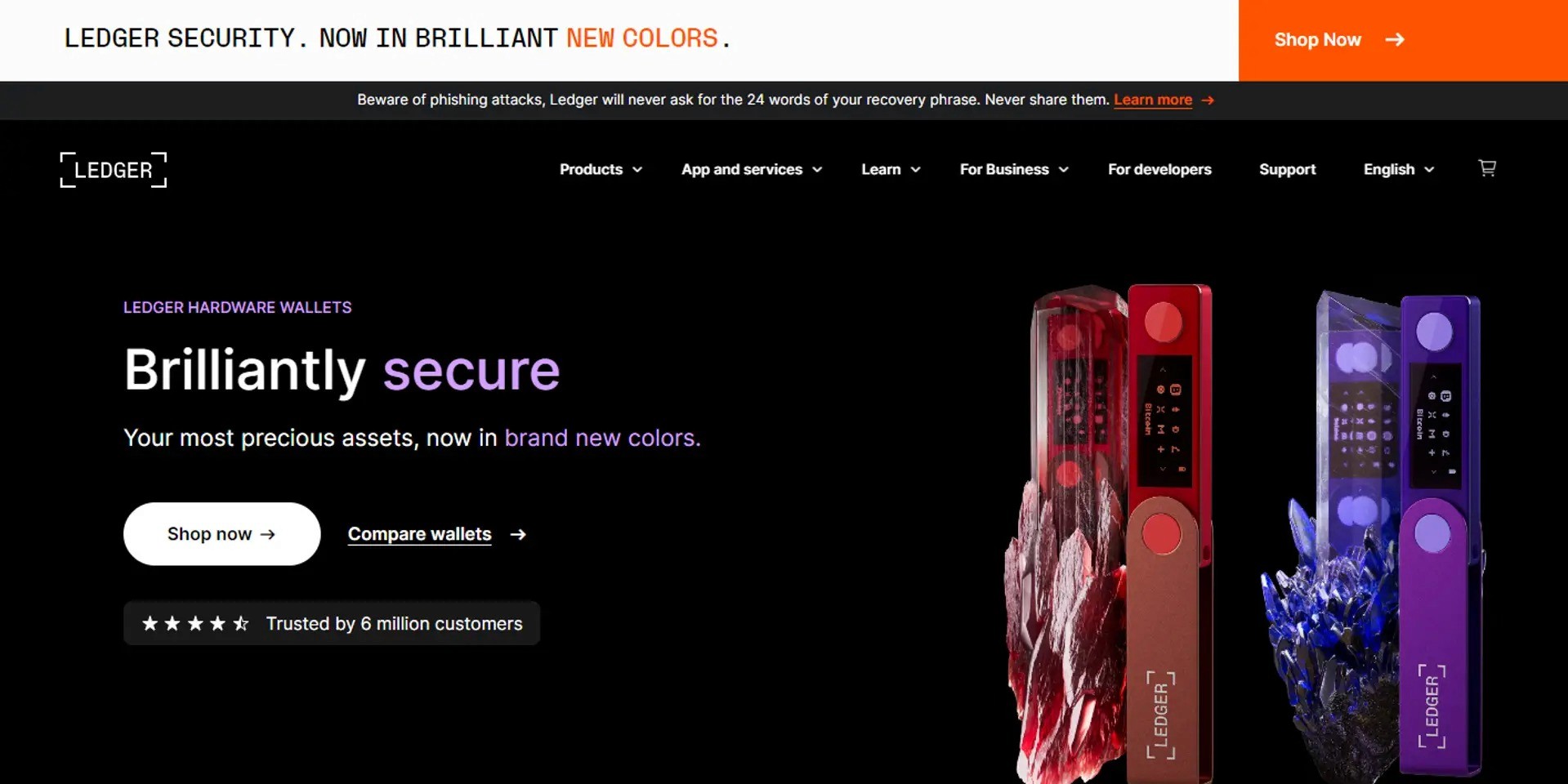
🔐 Ledger Login: A Modern Approach to Crypto Access Security
Ledger Login represents a hardware-first method of accessing cryptocurrency accounts. Instead of depending on traditional online credentials, Ledger Login uses a physical hardware wallet as the gateway to digital assets. This approach prioritizes ownership, privacy, and protection against online threats.
In this content, we explore what Ledger Login is, how it functions, and why it has become a trusted method for safeguarding crypto assets.
🧭 The Philosophy Behind Ledger Login
Ledger Login is designed around one core idea: you control your keys, and your keys control access. There is no centralized account holding your data and no remote server managing permissions.
Key principles include:
Self-custody over centralized access
Physical verification instead of digital passwords
Offline protection of sensitive information
User responsibility and ownership
This philosophy significantly reduces exposure to common cyber risks.
🖥️ What “Logging In” Means with Ledger
Unlike conventional platforms, Ledger Login does not involve signing into a website or service. The login event occurs when the Ledger device is connected and unlocked.
This process includes:
Physically connecting the Ledger device
Unlocking it with a PIN code
Granting temporary access to account data
Once disconnected, the login session effectively ends.
🔑 PIN Codes and Device Authentication
The PIN plays a crucial role in Ledger Login. It is entered directly on the hardware wallet, not on a computer or phone, which prevents keylogging or screen capture attacks.
Security benefits of PIN-based login:
Protection against unauthorized device use
Automatic device lock after inactivity
Defense against brute-force attempts
Repeated incorrect PIN entries trigger protective lock mechanisms.
📱 Using Ledger Login Across Devices
Ledger Login works consistently across supported platforms without compromising security.
Users can log in through:
Desktop environments
Mobile applications
Wired USB connections
Wireless Bluetooth connections (supported models)
Regardless of the platform, the Ledger device remains the sole access authority.
🧾 What You Can Do After Ledger Login
Once logged in, users gain visibility and control without exposing private keys.
Available actions include:
Viewing crypto balances
Reviewing transaction history
Managing multiple accounts
Preparing transactions for approval
Critical actions always require confirmation on the device.
🛡️ Transaction Confirmation: The Core of Security
Ledger Login does not grant transaction permission by default. Every outgoing transaction must be approved on the hardware wallet itself.
Users verify:
Wallet address accuracy
Transaction amounts
Network fees
This step ensures that even compromised computers cannot alter transactions.
🧠 Advanced Access Options
🕶️ Passphrase-Protected Wallets
Ledger Login supports additional passphrases that create separate, hidden wallets. These wallets remain inaccessible without the correct passphrase.
🗂️ Multiple Account Structures
Users can organize funds across different accounts for savings, daily use, or long-term holding, all accessed through a single device.
📊 Read-Only Portfolio Access
Ledger software can display balances without enabling spending, offering visibility without compromising security.
⚠️ Challenges Users May Encounter
❌ Login Not Recognized
This often happens if the device is locked or the required blockchain app is not opened on the Ledger device.
❌ Connectivity Interruptions
USB or Bluetooth disruptions may temporarily affect login sessions.
❌ Firmware Mismatch
Outdated firmware can limit compatibility and cause access issues.
🛡️ Best Security Habits for Ledger Login
Always confirm details on the Ledger screen
Keep the device firmware updated
Never store PINs digitally
Avoid using untrusted computers
Secure recovery phrases offline
🔄 Restoring Ledger Login Access
If a Ledger device becomes unavailable, access can be restored on a new device using the recovery phrase. This ensures continuity without relying on centralized recovery services.
🌟 Why Users Choose Ledger Login
No passwords to manage or lose
Strong resistance to phishing and malware
Offline protection of private keys
Full ownership of digital assets
Reliable long-term security model
🏁 Conclusion
Ledger Login replaces traditional login systems with a secure, hardware-based model that prioritizes control and safety. By requiring physical interaction and on-device confirmation, it creates a powerful defense against digital threats.
For users who value independence, privacy, and long-term asset protection, Ledger Login offers a dependable and future-ready solution.